
What to Expect Before, During, and After a Colonoscopy
- posted: Jul. 20, 2025
If your doctor has recommended a colonoscopy, you might feel a bit unsure about what’s ahead. That’s normal. A lot of people feel that way the first time—it’s one of those procedures nobody looks forward to, but it’s often more manageable than expected.
At NEAD HEALTH COLON AND PILONIDAL CLINIC, Dr. Nsikak Umoh and his team walk patients through this every day. Whether you’re going in for screening or following up on something specific, here’s a breakdown of what usually happens before, during, and after the procedure.
Before the Appointment: Prep Day
Let’s start with the part most people have heard stories about: the prep. A few days before your colonoscopy, your provider will give you clear instructions about what to eat, drink, and avoid. The day before the procedure, you’ll follow a special liquid diet and drink a prep solution to empty your colon.
It’s not exactly fun, but it’s necessary. A clean colon helps your doctor get a clear look inside, which makes the whole thing safer and more effective. If you’re not sure about the instructions or if something doesn’t feel right, it’s always okay to call and ask.
The Day Of: What Actually Happens
You’ll check in and meet with the care team when you arrive. They’ll walk you through everything, make sure you're comfortable, and start a light sedative or anesthesia before the procedure begins. Most people drift off and don’t remember much about it, which honestly isn’t a bad thing.
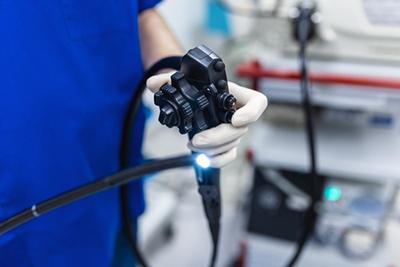
The colonoscopy itself involves a small, flexible tube with a camera. It’s gently guided through the colon so the doctor can look for polyps, irritation, or anything unusual. If anything needs to be removed or biopsied, that can usually be done right then.
The whole thing usually wraps up in under an hour.
After It’s Over: Taking It Easy
Once you’re done, you’ll spend a little time in recovery while the sedation wears off. You’ll need someone to drive you home, and you might feel a bit sleepy or gassy—both totally normal. Most people take the rest of the day easy and feel back to normal by the next morning.
Your doctor will talk to you about what they saw during the exam. If they removed anything for testing, results usually come back in a few days. If everything looks good, you’ll know when you should plan for your next check-in, which could be years away.
Why It’s Worth It
Colonoscopy might not be the most comfortable topic, but it’s one of the most effective tools we have for catching problems early. Polyps that might turn into cancer down the road can be removed before they cause harm. And if something more serious is going on, it’s always better to know early.
- posted: Jul. 20, 2025
If your doctor has recommended a colonoscopy, you might feel a bit unsure about what’s ahead. That’s normal. A lot of people feel that way the first time—it’s one of those procedures nobody looks forward to, but it’s often more manageable than expected.
At NEAD HEALTH COLON AND PILONIDAL CLINIC, Dr. Nsikak Umoh and his team walk patients through this every day. Whether you’re going in for screening or following up on something specific, here’s a breakdown of what usually happens before, during, and after the procedure.
Before the Appointment: Prep Day
Let’s start with the part most people have heard stories about: the prep. A few days before your colonoscopy, your provider will give you clear instructions about what to eat, drink, and avoid. The day before the procedure, you’ll follow a special liquid diet and drink a prep solution to empty your colon.
It’s not exactly fun, but it’s necessary. A clean colon helps your doctor get a clear look inside, which makes the whole thing safer and more effective. If you’re not sure about the instructions or if something doesn’t feel right, it’s always okay to call and ask.
The Day Of: What Actually Happens
You’ll check in and meet with the care team when you arrive. They’ll walk you through everything, make sure you're comfortable, and start a light sedative or anesthesia before the procedure begins. Most people drift off and don’t remember much about it, which honestly isn’t a bad thing.
The colonoscopy itself involves a small, flexible tube with a camera. It’s gently guided through the colon so the doctor can look for polyps, irritation, or anything unusual. If anything needs to be removed or biopsied, that can usually be done right then.
The whole thing usually wraps up in under an hour.
After It’s Over: Taking It Easy
Once you’re done, you’ll spend a little time in recovery while the sedation wears off. You’ll need someone to drive you home, and you might feel a bit sleepy or gassy—both totally normal. Most people take the rest of the day easy and feel back to normal by the next morning.
Your doctor will talk to you about what they saw during the exam. If they removed anything for testing, results usually come back in a few days. If everything looks good, you’ll know when you should plan for your next check-in, which could be years away.
Why It’s Worth It
Colonoscopy might not be the most comfortable topic, but it’s one of the most effective tools we have for catching problems early. Polyps that might turn into cancer down the road can be removed before they cause harm. And if something more serious is going on, it’s always better to know early.
The Woodlands Location
920 Medical Plaza Drive Suite 330,
The Woodlands, TX 77380
Cypress Location
22215 Cypresswood Dr, Suite 210,
Cypress, TX 77433
Our Regular Schedule
NEAD Health Colon And Pilonidal Clinic
Monday
8:00 am - 5:00 pm
Tuesday
8:00 am - 5:00 pm
Wednesday
8:00 am - 5:00 pm
Thursday
8:00 am - 5:00 pm
Friday
8:00 am - 5:00 pm
Saturday
Closed
Sunday
Closed