
Acute vs. Chronic Diverticulitis: Key Differences and Treatments
- posted: Jan. 02, 2025
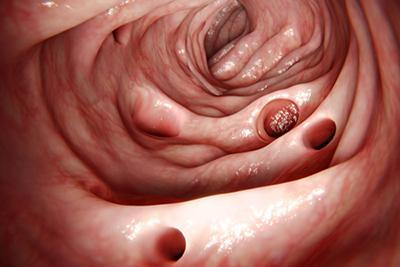
Diverticula (or pouches in the colon walls) can form, possibly from chronic constipation or habitually eating a low-fiber diet. Usually, these are harmless and don't cause pain, but if they become infected or injured, they can swell, resulting in diverticulitis. Fortunately, whether it's acute or chronic, Dr. Nsikak Umoh of Texas Colon & Pilonidal Clinic, with locations in Cypress and Woodlands, TX, can assist.
General Information on Diverticulitis
If pockets form on the colon, they can become inflamed, resulting in pain and possibly constipation, among other symptoms. The pain you experience is typically either moderate or severe. Though it's usually in the lower left quadrant of your abdomen, it can reach your pelvis and/or back.
This condition is uncommon. Only around four percent of people who have diverticulosis will develop it. Oftentimes, particularly with prompt treatment and lifestyle changes, it won't recur. After you've had it, you only have a 20-percent likelihood of it returning.
Acute Diverticulitis
Acute diverticulitis is a temporary issue that arises suddenly. With the proper medication, this form will go away, and there is a low chance of it coming back.
Typically, treatment for acute diverticulitis from our specialist, who offers care to those in Cypress & Woodlands, TX, and the surrounding areas, may include antibiotics to either rid your body of the infection or minimize the intestinal bacteria excreting waste products that can irritate the condition. Some more common ones prescribed include ciprofloxacin or amoxicillin-clavulanate, which targets Bacteroides or E. coli.
In more serious cases of an acute form of this condition, you may need treatment for complications. For example, a serious infection could require IV antibiotics.
Conservative measures like using a heating pad on your abdomen or making temporary diet changes, including avoiding nuts, beans, and refined grains, can assist.
Chronic Diverticulitis
Chronic diverticulitis happens when you have regularly inflamed diverticula or the problem is recurring.
If you're experiencing infections during flares, our surgeon can prescribe antibiotics. An antispasmodic, such as dicyclomine, can reduce cramping to keep you comfortable.
You'll need to make diet changes, such as avoiding certain foods, such as red meat or full-fat dairy, and eating high-fiber foods regularly.
Sometimes, surgery to remove the affected part of the colon may be recommended when lifestyle changes and medications alone aren't enough to curb the symptoms.
At Texas Colon & Pilonidal Clinic, Dr. Umoh helps those who suffer from regular gas and bloating or other symptoms of diverticulitis. The treatment approach used helps those in Cypress & Woodlands, TX, and the surrounding areas stop unpleasant issues, whether acute or chronic.
Call 832-663-0037 to book today.
- posted: Jan. 02, 2025
Diverticula (or pouches in the colon walls) can form, possibly from chronic constipation or habitually eating a low-fiber diet. Usually, these are harmless and don't cause pain, but if they become infected or injured, they can swell, resulting in diverticulitis. Fortunately, whether it's acute or chronic, Dr. Nsikak Umoh of Texas Colon & Pilonidal Clinic, with locations in Cypress and Woodlands, TX, can assist.
General Information on Diverticulitis
If pockets form on the colon, they can become inflamed, resulting in pain and possibly constipation, among other symptoms. The pain you experience is typically either moderate or severe. Though it's usually in the lower left quadrant of your abdomen, it can reach your pelvis and/or back.
This condition is uncommon. Only around four percent of people who have diverticulosis will develop it. Oftentimes, particularly with prompt treatment and lifestyle changes, it won't recur. After you've had it, you only have a 20-percent likelihood of it returning.
Acute Diverticulitis
Acute diverticulitis is a temporary issue that arises suddenly. With the proper medication, this form will go away, and there is a low chance of it coming back.
Typically, treatment for acute diverticulitis from our specialist, who offers care to those in Cypress & Woodlands, TX, and the surrounding areas, may include antibiotics to either rid your body of the infection or minimize the intestinal bacteria excreting waste products that can irritate the condition. Some more common ones prescribed include ciprofloxacin or amoxicillin-clavulanate, which targets Bacteroides or E. coli.
In more serious cases of an acute form of this condition, you may need treatment for complications. For example, a serious infection could require IV antibiotics.
Conservative measures like using a heating pad on your abdomen or making temporary diet changes, including avoiding nuts, beans, and refined grains, can assist.
Chronic Diverticulitis
Chronic diverticulitis happens when you have regularly inflamed diverticula or the problem is recurring.
If you're experiencing infections during flares, our surgeon can prescribe antibiotics. An antispasmodic, such as dicyclomine, can reduce cramping to keep you comfortable.
You'll need to make diet changes, such as avoiding certain foods, such as red meat or full-fat dairy, and eating high-fiber foods regularly.
Sometimes, surgery to remove the affected part of the colon may be recommended when lifestyle changes and medications alone aren't enough to curb the symptoms.
At Texas Colon & Pilonidal Clinic, Dr. Umoh helps those who suffer from regular gas and bloating or other symptoms of diverticulitis. The treatment approach used helps those in Cypress & Woodlands, TX, and the surrounding areas stop unpleasant issues, whether acute or chronic.
Call 832-663-0037 to book today.
The Woodlands Location
920 Medical Plaza Drive Suite 330,
The Woodlands, TX 77380
Cypress Location
22215 Cypresswood Dr, Suite 210,
Cypress, TX 77433
Our Regular Schedule
NEAD Health Colon And Pilonidal Clinic
Monday
8:00 am - 5:00 pm
Tuesday
8:00 am - 5:00 pm
Wednesday
8:00 am - 5:00 pm
Thursday
8:00 am - 5:00 pm
Friday
8:00 am - 5:00 pm
Saturday
Closed
Sunday
Closed