
How to Recognize the Symptoms of an Anal Fissure: When to Seek Help
- posted: Dec. 19, 2024
Relief from Anal Fissures: Causes, Symptoms, and Treatment Options
It can feel uncomfortable to talk about or seek help for issues related to the anal or rectal area, but if persistent pain or bleeding becomes a problem, consulting a doctor is essential. Anal fissures are a common condition that affects people from all walks of life. Whether caused by prolonged sitting, straining during bowel movements, or physical activity, these small tears can disrupt daily life. Dr. Nsikak Umoh and his team at Texas Colon and Pilonidal Clinic in Cypress and The Woodlands, TX, provide expert care and effective treatments to help you find relief.
What Causes Anal Fissures?
An anal fissure is a small cut or tear in the lining of the anus, the opening where waste exits the body. This condition often occurs due to increased pressure or strain, such as:
- Sitting on hard surfaces for extended periods.
- Struggling with chronic constipation.
- Passing large or hard stools.
- Experiencing repeated bouts of diarrhea.
These factors can lead to damage in the delicate tissue of the anus, creating discomfort and increasing the risk of fissures.
Recognizing the Symptoms of Anal Fissures
Anal fissures often announce themselves with sharp pain during or after bowel movements. Additional symptoms include:
- Bleeding during or after passing stools is often noticed on toilet paper or in the bowl.
- A visible crack or tear in the anal area.
- A sensation of itching or burning around the anus.
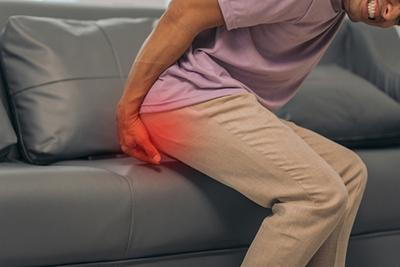
- Discomfort while sitting or cleaning the affected area.
While mild cases may heal on their own, persistent or worsening symptoms should prompt a visit to a specialist.
When Should You Seek Medical Help?
For some individuals, an anal fissure may heal with simple home remedies, such as using stool softeners or increasing dietary fiber to ease bowel movements. However, if the pain intensifies or bleeding persists, professional care is necessary.
Dr. Umoh and his team offer a variety of treatment options tailored to your needs, including:
- Topical creams to reduce pain and inflammation.
- Dietary adjustments to prevent constipation and future fissures.
- Minimally invasive surgical procedures for severe or chronic cases.
Take the First Step Toward Relief
Understanding the causes and treatments for anal fissures can empower you to address this condition with confidence. Don’t let discomfort or embarrassment keep you from seeking care. Schedule a consultation with Dr. Umoh at Texas Colon and Pilonidal Clinic in Cypress and The Woodlands, TX. Call (832) 663-0037 today to take the first step toward lasting relief.
- posted: Dec. 19, 2024
Relief from Anal Fissures: Causes, Symptoms, and Treatment Options
It can feel uncomfortable to talk about or seek help for issues related to the anal or rectal area, but if persistent pain or bleeding becomes a problem, consulting a doctor is essential. Anal fissures are a common condition that affects people from all walks of life. Whether caused by prolonged sitting, straining during bowel movements, or physical activity, these small tears can disrupt daily life. Dr. Nsikak Umoh and his team at Texas Colon and Pilonidal Clinic in Cypress and The Woodlands, TX, provide expert care and effective treatments to help you find relief.
What Causes Anal Fissures?
An anal fissure is a small cut or tear in the lining of the anus, the opening where waste exits the body. This condition often occurs due to increased pressure or strain, such as:
- Sitting on hard surfaces for extended periods.
- Struggling with chronic constipation.
- Passing large or hard stools.
- Experiencing repeated bouts of diarrhea.
These factors can lead to damage in the delicate tissue of the anus, creating discomfort and increasing the risk of fissures.
Recognizing the Symptoms of Anal Fissures
Anal fissures often announce themselves with sharp pain during or after bowel movements. Additional symptoms include:
- Bleeding during or after passing stools is often noticed on toilet paper or in the bowl.
- A visible crack or tear in the anal area.
- A sensation of itching or burning around the anus.
- Discomfort while sitting or cleaning the affected area.
While mild cases may heal on their own, persistent or worsening symptoms should prompt a visit to a specialist.
When Should You Seek Medical Help?
For some individuals, an anal fissure may heal with simple home remedies, such as using stool softeners or increasing dietary fiber to ease bowel movements. However, if the pain intensifies or bleeding persists, professional care is necessary.
Dr. Umoh and his team offer a variety of treatment options tailored to your needs, including:
- Topical creams to reduce pain and inflammation.
- Dietary adjustments to prevent constipation and future fissures.
- Minimally invasive surgical procedures for severe or chronic cases.
Take the First Step Toward Relief
Understanding the causes and treatments for anal fissures can empower you to address this condition with confidence. Don’t let discomfort or embarrassment keep you from seeking care. Schedule a consultation with Dr. Umoh at Texas Colon and Pilonidal Clinic in Cypress and The Woodlands, TX. Call (832) 663-0037 today to take the first step toward lasting relief.
The Woodlands Location
920 Medical Plaza Drive Suite 330,
The Woodlands, TX 77380
Cypress Location
22215 Cypresswood Dr, Suite 210,
Cypress, TX 77433
Our Regular Schedule
NEAD Health Colon And Pilonidal Clinic
Monday
8:00 am - 5:00 pm
Tuesday
8:00 am - 5:00 pm
Wednesday
8:00 am - 5:00 pm
Thursday
8:00 am - 5:00 pm
Friday
8:00 am - 5:00 pm
Saturday
Closed
Sunday
Closed